
Picture this: you’re all set for a dream vacation, bags packed, excitement bubbling, and then—bam! Your flight’s canceled. It’s like finding out the ice cream shop ran out of your favorite flavor. Frustrating, right? But before you let that disappointment sink in, there’s a silver lining. Flight cancellation compensation might just be your unexpected ticket to a little extra cash and peace of mind.
Understanding Flight Cancellation Compensation
Flight cancellation compensation refers to payments airlines make to passengers when flights are canceled due to specific circumstances. Various regulations govern these compensations, particularly in regions like the European Union and the United States.
Definition of Flight Cancellation Compensation
Flight cancellation compensation includes monetary reimbursements provided to travelers affected by canceled flights. Travelers may receive a fixed amount based on flight distance and time of cancellation. For example, within the EU, passengers may claim up to €600 under certain conditions, especially for flights departing from or arriving in an EU country.
Importance of Flight Cancellation Compensation
Flight cancellation compensation serves as a financial safety net, ensuring passengers aren’t left bearing the entire burden of unexpected cancellations. Airlines are held accountable for operational efficiency, giving travelers leverage in making claims. Receiving compensation boosts confidence in booking future flights, allowing travelers to plan without fear of losing money due to unfortunate circumstances. Compensation also encourages airlines to improve service reliability, benefiting all passengers.
Eligibility Criteria for Compensation
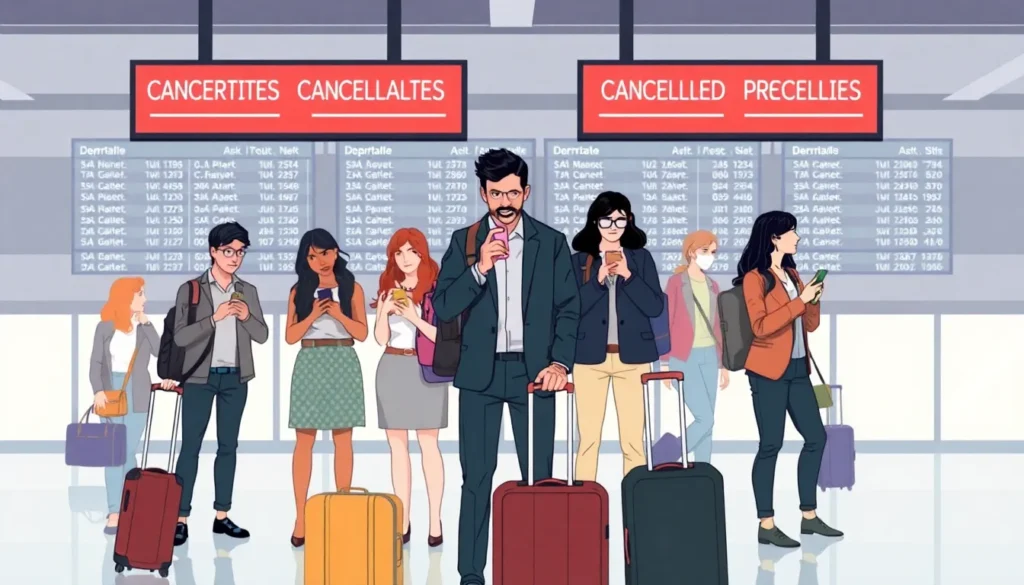
Passengers can receive compensation for flight cancellations under specific conditions. It’s essential to understand the reasons for these cancellations and the rights passengers hold.
Reasons for Flight Cancellations
Airlines may cancel flights due to several factors. Weather conditions frequently disrupt travel plans, especially in severe storms. Technical issues sometimes arise, causing operational delays. Air traffic control strikes can lead to widespread cancellations as well. Furthermore, airline staff shortages or logistical challenges may contribute to these disruptions. Compensation eligibility often hinges on the reason behind the cancellation.
Passenger Rights and Regulations
Passengers possess certain rights under regulations in both the European Union and the United States. In the EU, Regulation (EC) No 261/2004 stipulates compensation for cancellations made less than 14 days before departure, with amounts ranging from €250 to €600 depending on flight distance. The U.S. allows compensation for cancellations caused by airline-related issues, though specific regulations differ. Airlines must inform passengers of their rights in clear and concise language. Understanding these rights empowers travelers and ensures they receive due compensation.
How to Claim Flight Cancellation Compensation
Claiming flight cancellation compensation involves specific steps and proper documentation. Understanding the following guidelines helps streamline the process.
Steps to Take After a Flight Is Canceled
Immediately contact the airline upon learning of the cancellation. Notify customer service to inquire about compensation options. Review the airline’s policies regarding cancellations and compensation details. Gather necessary flight information such as booking reference and ticket details. Act promptly, as timelines often affect eligibility. Document all interactions with airline representatives for future reference.
Documentation Required for Claims
Essential documentation supports a compensation claim. Passengers need to provide flight confirmation, including ticket number and itinerary. Keep records of any communication with the airline, including emails and receipts. A copy of the cancellation notice or confirmation serves as proof of the canceled flight. Additional documents like boarding passes may also prove beneficial in validating claims.
Common Challenges in Claiming Compensation
Claiming flight cancellation compensation presents several challenges that passengers must navigate. Understanding these obstacles can help ensure passengers receive what they’re owed.
Airlines’ Defense Strategies
Airlines often employ specific defense strategies to minimize compensation payouts. Common tactics include claiming extraordinary circumstances, such as severe weather or natural disasters, to justify cancellations without financial liability. They may also argue that notifications were provided well in advance, which could exempt them from compensation requirements. By complicating claims processes with bureaucratic hurdles, airlines can create delays and discourage passengers from pursuing their rights. Passengers face the challenge of countering these defenses by gathering solid evidence that supports their claims.
Delayed Compensation Payments
Delayed compensation payments frequently frustrate passengers seeking to recover lost funds. Airlines sometimes prolong the claims process to manage their financial exposure. Passengers might experience waiting periods of several weeks or even months before receiving payments. Unfortunately, these delays can create financial strain, especially for travelers facing unexpected expenses due to canceled flights. As compensation claims progress, following up with the airline can play an essential role in expediting payments. Keeping thorough documentation of all communications strengthens the case for timely reimbursement.
Flight cancellation compensation serves as a vital resource for travelers facing unexpected disruptions. Understanding eligibility criteria and the claims process empowers passengers to seek the financial relief they deserve. By staying informed about their rights under both EU and U.S. regulations, travelers can navigate the complexities of compensation claims more effectively.
Airlines are held accountable for their operational decisions, fostering a culture of reliability and trust. With proper documentation and persistence, passengers can overcome challenges and ensure they receive timely reimbursements. Ultimately, knowing how to claim compensation not only alleviates financial stress but also enhances the overall travel experience, encouraging confidence in future journeys.


