
Imagine stepping into a world where reality takes a backseat and adventure reigns supreme. Immersive travel experiences are transforming the way people explore the globe, turning ordinary trips into extraordinary journeys. Whether it’s sipping coffee with a local artist in a bustling market or joining a traditional dance under the stars, these experiences invite travelers to dive deep into the culture and stories that shape a destination.
Overview of Immersive Travel Experiences
Immersive travel experiences focus on deep connections with local cultures and environments. These activities encourage travelers to engage authentically with inhabitants and their traditions. For instance, hands-on workshops with local artisans offer insight into traditional crafts and arts. Participating in local festivals allows visitors to enjoy unique celebrations, enhancing cultural appreciation.
Travelers seek experiences that transcend traditional sightseeing. Engaging with local guides helps to uncover hidden gems and personal stories tied to various locations. Culinary classes introduce visitors to regional flavors and cooking techniques, providing a taste of local life. Guided nature walks showcase indigenous flora and fauna, promoting environmental awareness.
According to recent surveys, 74 percent of travelers express a desire for authentic cultural interactions. These preferences shape the travel industry, influencing the development of tailored immersive experiences. Companies are responding by creating itineraries that prioritize local engagement. Travelers increasingly opt for experiences over merely visiting landmarks, driving demand for more immersive options.
To further elevate their experiences, many travelers embrace voluntourism. This approach combines volunteer work with travel, allowing individuals to contribute positively to the communities they visit. Sustainable tourism practices also gain importance, as they promote responsible travel while preserving local cultures and environments.
Immersive travel represents a significant shift in how people perceive and enjoy their adventures, driven by the desire for deeper connections and meaningful experiences.
Types of Immersive Travel Experiences
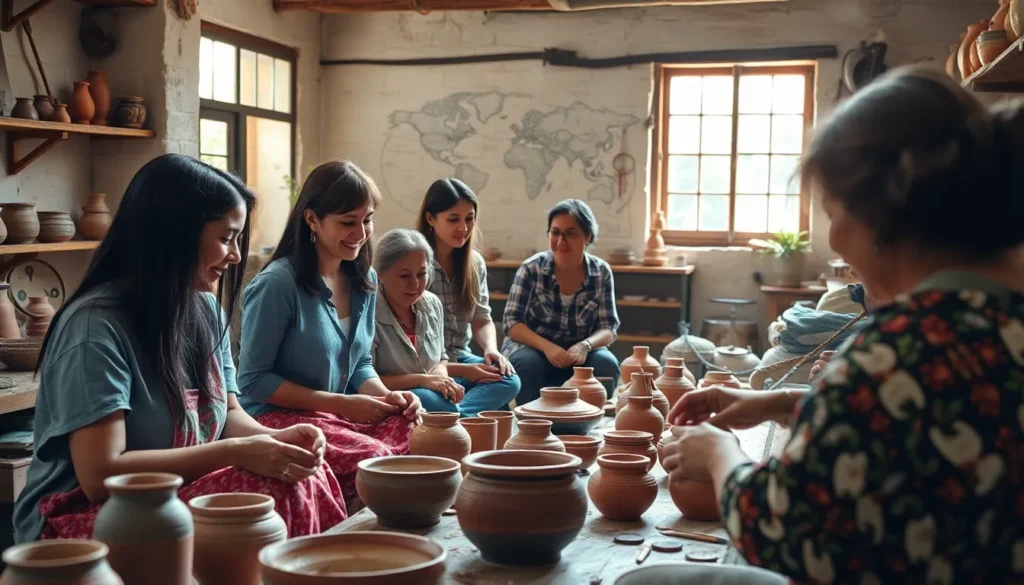
Immersive travel experiences come in various forms, each providing unique opportunities to engage deeply with destinations.
Cultural Immersion
Cultural immersion focuses on authentic interactions with local traditions and lifestyles. Travelers often participate in hands-on workshops, exploring crafts like pottery or weaving directly with artisans. Engaging in traditional cooking classes allows participants to taste the local flavors while learning about culinary heritage. Festivals present another avenue for immersion, offering insights into vibrant customs and community spirit. According to recent surveys, 74 percent of travelers express a desire for these cultural connections, driving the industry to create experiences that prioritize local engagement. Immersive cultural encounters foster meaningful connections that enrich the journey.
Adventure Immersion
Adventure immersion combines thrill-seeking activities with cultural exploration. Travelers can partake in guided trekking experiences that uncover hidden trails and breathtaking landscapes. Engaging with local guides enhances the adventure, as stories of the area’s history and ecology come alive. Activities such as scuba diving in coral reefs or white-water rafting not only provide adrenaline rushes but also promote environmental awareness and conservation efforts. Authenticity matters significantly in adventure immersion, as travelers seek experiences that connect them to the heart of the environment. These thrilling encounters encourage a deeper appreciation for both the activity and the culture surrounding it.
Benefits of Immersive Travel Experiences
Immersive travel experiences offer significant advantages that enhance personal and cultural connections. Travelers often find themselves transformed through these unique journeys.
Personal Growth
Engaging in immersive travel leads to substantial personal growth. Individuals confront challenges that push them out of their comfort zones. New skills often develop, such as culinary techniques learned in local cooking classes or art practices shared by artisans. Experiences enhance self-awareness, increase adaptability, and boost confidence. Participating in cultural traditions deepens understanding of diverse perspectives. Recent surveys indicate personal development ranks high among traveler motivations, with many exploring the personal benefits of authenticity.
Connection to Local Communities
Connecting with local communities creates enriching travel experiences. Authentic interactions foster meaningful relationships between travelers and residents. Participation in communal events, such as local festivals or markets, encourages cultural exchange. Engaging with local artisans results in an appreciation for regional craftsmanship and traditions. These connections promote support for local economies, directly benefiting communities. Travelers gain insights into daily life, enriching their understanding of the destination. Data shows that 74 percent of travelers prioritize cultural interactions, emphasizing the importance of these connections in the travel experience.
Popular Destinations for Immersive Travel Experiences
Thailand combines rich culture and stunning landscapes, making it a top destination for immersive travel. Travelers can explore ancient temples, relish in vibrant street markets, and participate in traditional Thai cooking classes.
Italy offers art, history, and culinary delights. Tourists engage with local artisans in Florence, learning the secrets behind handcrafted jewelry. They can also join local festivals celebrating regional heritage throughout the country.
Peru’s breathtaking scenery includes Machu Picchu and the Sacred Valley. Visitors partake in ancient traditions by participating in local festivals, hiking the Inca Trail, or learning about traditional textile weaving.
Japan blends modernity and tradition seamlessly. Immersive experiences include tea ceremonies, kimono-wearing sessions, and local culinary workshops. Each encounter deeply connects travelers with Japan’s culture and history.
Kenya presents opportunities for wildlife safaris alongside community engagement. Travelers can visit Maasai villages, gaining insights into the lives and traditions of indigenous communities. While encountering wildlife, they contribute to conservation efforts.
Iceland’s stunning landscapes captivate visitors. Travelers can engage in geological exploration, learning about volcanic activity while soaking in hot springs. Local storytelling sessions also enhance personal connections to the land.
Costa Rica emphasizes eco-tourism and sustainability. Tourists participate in workshops on sustainable agriculture, discover biodiversity, and engage with local conservation projects. Each experience fosters deeper respect for the environment.
With diverse options available, countries across the globe welcome travelers seeking authentic connections through immersive experiences. Continuous growth in this sector indicates strong demand for cultural engagement and enriching adventures.
Future Trends in Immersive Travel Experiences
The landscape of immersive travel continues to evolve, reflecting the changing desires of modern travelers. Growing interest in experiential tourism emphasizes a deeper understanding of local cultures. Virtual reality technologies increasingly aid in this pursuit, allowing potential travelers to preview destinations and experiences before committing. Integration of augmented reality into tours enhances engagement, making the exploration of historic sites and museums more interactive.
Sustainability remains a key focus. Travelers increasingly prioritize eco-friendly options, and businesses respond by developing responsible tourism practices. Destinations incorporate local community input, ensuring that immersive experiences benefit both visitors and residents. This commitment fosters respect for cultural heritage and promotes preservation efforts.
The demand for personalized travel itineraries rises. Travelers express a desire for unique, tailor-made experiences that resonate with their passions. Increasingly, tour operators craft bespoke adventures, accommodating specific interests like photography or culinary arts.
Culinary tourism thrives as food experiences draw significant attention. Engaging in cooking classes, vineyard tours, and food festivals reveals authentic flavors and traditions. Such experiences often create lasting memories and connections to local communities.
Lastly, wellness travel gains popularity, focusing on mental and physical well-being. Retreats emphasizing mindfulness and holistic practices capture the interest of those seeking rejuvenation alongside cultural exploration. Prioritizing personal growth in these journeys enhances the overall travel experience.
Emerging trends in immersive travel experiences mirror the evolving expectations of travelers, emphasizing authentic connections, sustainability, and personalization. Adapting to these new preferences places the travel industry on a continuous path toward deeper engagement and meaningful encounters.
Immersive travel experiences are reshaping the way individuals approach exploration. By prioritizing authentic connections and cultural engagement, travelers are not just visiting new places; they’re forming lasting bonds with local communities. This shift towards deeper interactions fosters personal growth and supports sustainable practices that benefit both travelers and destinations.
As the demand for tailored itineraries continues to rise, the travel industry is adapting to meet these evolving expectations. With a focus on experiential tourism and eco-friendly options, the future of travel looks promising. Immersive experiences not only enrich journeys but also create a more responsible and connected world for all.


