In a world where “quick fixes” dominate the diet scene, the secret to a long, vibrant life might just lie in the food on your plate. Eating for longevity isn’t about nibbling on kale chips while scrolling through social media; it’s about savoring delicious meals that keep those pesky age-related ailments at bay. Imagine feasting on sumptuous dishes while your friends are busy counting calories—sounds like a win-win, right?
Understanding Eating For Longevity
Eating for longevity involves incorporating nutrient-rich foods that support overall health. The focus lies on whole foods, including fruits, vegetables, whole grains, lean proteins, and healthy fats. Nutrients in these foods help combat oxidative stress and inflammation, both linked to aging.
Essential nutrients contribute to various bodily functions. Antioxidants from berries, for instance, protect cells from damage. Omega-3 fatty acids found in fish promote heart health and cognitive function. Fiber from legumes aids digestion and supports healthy weight.
Regular meal patterns play a role in longevity as well. Eating smaller, balanced meals throughout the day can maintain energy levels and stabilize blood sugar. Mindful eating practices encourage individuals to savor each bite, fostering a greater appreciation for food and its role in health.
Cultural influences affect food choices related to longevity. Mediterranean diets, rich in olive oil, fish, and vegetables, demonstrate low rates of chronic diseases. Traditional Japanese cuisine, featuring fermented foods and fish, also highlights health benefits associated with longevity.
Hydration remains vital for sustaining health. Drinking sufficient water enhances bodily functions, supports skin health, and maintains energy levels. Incorporating herbal teas can provide additional antioxidants, contributing to a well-rounded approach to a longevity-focused diet.
Prioritizing nutrient-dense foods and mindful eating promotes a lifestyle centered around health and longevity. Embracing diverse foods not only enhances the pleasure of eating but significantly impacts overall health and vitality in the long run.
Key Principles Of A Longevity Diet
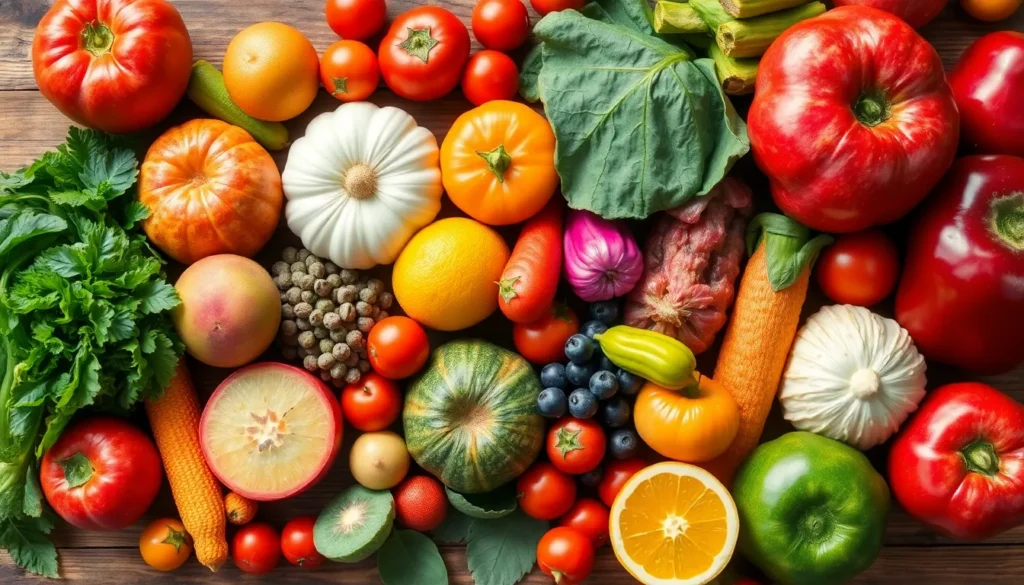
Eating for longevity emphasizes the importance of nourishing the body with wholesome foods. Following certain principles can significantly enhance overall health and vitality.
Whole Foods Focus
A focus on whole foods creates a strong foundation for a longevity diet. Incorporating unprocessed foods, like fresh fruits and vegetables, whole grains, and lean proteins, delivers essential nutrients. Antioxidant-rich foods, such as berries and leafy greens, combat oxidative stress. Healthy fats from sources like avocados and nuts contribute to heart health. Whole foods maintain a balance of nutrients necessary for optimal bodily functions. Prioritizing minimally processed options ensures the body receives adequate vitamins and minerals for longevity.
Plant-Based Emphasis
Plant-based foods play a vital role in promoting longevity. Emphasizing fruits, vegetables, legumes, and whole grains supports a nutrient-dense diet. These foods provide fiber, which aids digestion and promotes a healthy gut microbiome. Plants contain a variety of antioxidants and phytochemicals that protect against inflammation. Regularly including beans and lentils can enhance protein intake without saturated fats. By prioritizing plant-based meals, individuals can maintain energy levels and overall well-being, making it easier to sustain healthy eating habits for life.
Nutritional Components To Consider
Eating for longevity requires a focus on specific nutritional components that support health and wellness. Prioritizing these components enhances overall vitality and helps prevent age-related issues.
Antioxidants
Antioxidants play a crucial role in fighting oxidative stress, which contributes to aging. Foods rich in antioxidants, such as blueberries, strawberries, and dark leafy greens, combat free radicals effectively. By consuming a variety of these fruits and vegetables, individuals boost their immune systems and protect against chronic diseases. Vitamin C found in citrus fruits and polyphenols in green tea offer additional protective benefits. Regular inclusion of antioxidant-rich foods ensures a balanced approach to nutrition, promoting cellular health and enhancing longevity.
Healthy Fats
Healthy fats, particularly omega-3 fatty acids, are vital for heart and brain health. Fatty fish like salmon and walnuts provide these essential nutrients that reduce inflammation and support cognitive function. Incorporating avocados and olive oil into daily meals further enhances the intake of monounsaturated fats, which benefit cardiovascular health. These fats improve satiety, making it easier to maintain healthy eating habits. Emphasizing healthy fats contributes to a nutrient-dense diet, ultimately promoting a longer and healthier life.
The Role Of Meal Timing
Meal timing plays a significant role in promoting health and longevity. Consuming meals at consistent times helps regulate the body’s internal clock and assists with metabolic processes. Smaller, balanced meals throughout the day can maintain energy levels while preventing excessive hunger.
Research suggests that late-night eating correlates with weight gain and metabolic disorders. Eating earlier in the evening aligns with the body’s natural circadian rhythm. A study indicates that those who eat their last meal before 7 PM show improved weight management and better blood sugar control.
Intermittent fasting methods, such as the 16:8 approach, also demonstrate potential benefits for longevity. This strategy involves restricting eating to an eight-hour window each day. During the fasting period, the body can focus on repairing cells and reducing inflammation.
Mindful eating practices further enhance the role of meal timing. Paying attention to hunger cues promotes healthier food choices. Observing meal times can cultivate appreciation for food, improving overall satisfaction.
Hydration is equally essential during meal timing. Drinking water before meals aids digestion and fosters a sense of fullness. Incorporating herbal teas can add antioxidants, complementing the benefits of proper meal timing.
Cultural dietary practices emphasize meal timing as part of their health traditions. Mediterranean cultures often prioritize shared meals during daylight hours. This communal aspect creates social connections, fostering emotional well-being that contributes to longevity.
Adopting a flexible meal schedule that aligns with one’s lifestyle can enhance overall health. Individuals can tailor their meal times to fit personal preferences while focusing on nutrient-dense foods. Balancing meal timing with wholesome eating habits supports a longer, healthier life.
Lifestyle Factors That Complement Eating For Longevity
Eating for longevity thrives alongside several lifestyle factors that enhance overall health. Physical activity plays a crucial role in promoting longevity. Engaging in regular exercise, whether through aerobic activities, strength training, or walking, supports cardiovascular health and maintains muscle mass, essential for aging well.
Social connections contribute significantly to well-being. Building and maintaining friendships foster emotional resilience and reduce stress, both of which are linked to a longer life. Those who engage in regular social activities find joy and fulfillment, which may positively impact their health.
Sleep quality influences longevity factors. Prioritizing restful sleep of seven to nine hours per night enhances immune function and cognitive health. Limiting screen time before bed promotes sleep quality, supporting the body’s natural repair processes.
Stress management is vital for longevity. Practicing mindfulness techniques, such as meditation or deep breathing, lowers stress levels. Reducing chronic stress can improve metabolic health and mental well-being, further supporting longevity.
Environmental factors also play a role. Living in a clean environment reduces exposure to pollutants, thus decreasing the risk of chronic diseases. Access to nature promotes physical activity, leading to improved mood and overall health.
Genetics cannot be overlooked. While dietary and lifestyle choices significantly influence longevity, genetic predispositions affect individual aging processes. Understanding family health history aids in personalizing healthy habits.
Maintaining a positive mindset enhances resilience. Cultivating gratitude and focusing on life’s joys encourages a better outlook. Positive individuals often demonstrate healthier behaviors, promoting longevity through enhanced emotional wellness.
These factors collectively support eating for longevity, reinforcing the importance of a holistic approach to health and well-being.
Eating for longevity is about more than just food choices; it’s a lifestyle that embraces nutrient-dense meals and mindful practices. By focusing on whole foods rich in antioxidants and healthy fats, individuals can support their bodies in combating aging and promoting vitality.
Incorporating cultural dietary practices and maintaining consistent meal timing further enhances health benefits. This holistic approach not only nourishes the body but also fosters emotional well-being through social connections and mindful eating.
Ultimately, adopting these principles can lead to a longer, healthier life filled with delicious meals and vibrant energy. Embracing this philosophy encourages individuals to enjoy food while prioritizing their health and longevity.