
As the seasons change, so should your cooking! Embracing seasonal ingredients not only elevates your meals but also boosts your health and supports local farmers. Imagine biting into a juicy, sun-ripened tomato in the summer or savoring a warm, hearty squash soup in the fall. It’s like giving your taste buds a front-row seat to nature’s culinary show!
The Importance of Seasonal Healthy Cooking
Adapting cooking to seasonal ingredients offers numerous advantages. Utilizing seasonal products enhances flavor, promotes better health, and supports local agriculture.
Nutritional Benefits
Fresh, seasonal ingredients often provide higher nutrient levels. They contain more vitamins and minerals due to quicker harvesting and transport. Eating produce at its peak improves overall health through rich antioxidants and phytochemicals. Seasonal fruits and vegetables offer variety, encouraging diverse meal options. A well-rounded diet becomes easier with access to fresh, local ingredients year-round. By consuming seasonal foods, individuals can enjoy tastes that promote energy and vitality.
Environmental Impact
Choosing seasonal foods significantly reduces environmental footprints. Local sourcing minimizes transportation emissions, decreasing the carbon output. In-season crops create less demand for industrial farming practices, which often rely on harmful chemicals. Engaging with local farmers fosters a sustainable food system, promoting biodiversity. Supporting seasonal agriculture helps maintain soil health and protects ecosystems. Seasonal cooking practices connect communities, creating a shared commitment to environmental stewardship.
Seasonal Ingredients to Use
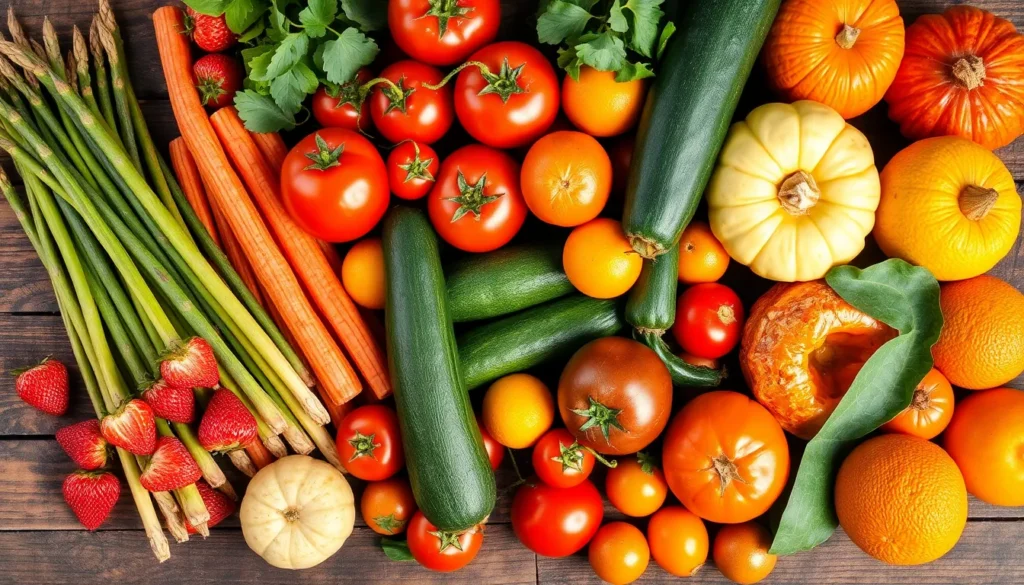
Utilizing seasonal ingredients enhances flavor, nutrition, and sustainability. Seasonal produce offers a unique taste profile while supporting local agriculture.
Spring Produce
Spring showcases vibrant ingredients like asparagus and strawberries. Asparagus is rich in vitamins A and C, making it a nutritious choice. Strawberries provide antioxidants and a refreshing sweetness perfect for salads or desserts. Peas add sweetness and crunch, enhancing dishes with their bright green color. Opting for these ingredients encourages seasonal eating habits and improves meal enjoyment.
Summer Bounty
Summer presents a bounty of colorful fruits and vegetables. Tomatoes shine during this season, bursting with flavor and vitamins. Cucumbers offer refreshing hydration and crunch, ideal for salads. Fresh corn provides natural sweetness and versatility in various dishes. Zucchini, with its mild flavor, complements a range of recipes. Enjoying summer produce promotes health while celebrating seasonal flavors.
Autumn Harvest
Autumn brings hearty ingredients like pumpkins and apples to the forefront. Pumpkins are rich in fiber and vitamin A, perfect for soups and pies. Apples offer natural sweetness and versatility in desserts and savory dishes. Pears add juiciness and a mild flavor to salads. Root vegetables, such as carrots and sweet potatoes, provide earthiness and nutrition. Incorporating these ingredients fosters warmth and comfort in autumn meals.
Winter Staples
Winter supplies hearty staples that sustain throughout the cold months. Root vegetables like beets and turnips supply essential nutrients and fiber. Cabbage, rich in vitamins and minerals, adds crunch to winter salads and slaws. Citrus fruits, including oranges and grapefruits, boost vitamin C intake, beneficial during flu season. Winter greens, such as kale and Swiss chard, maintain nutritional value in various dishes. Seasonal winter ingredients support healthy eating while providing comfort and warmth.
Cooking Techniques for Seasonal Recipes
Incorporating seasonal ingredients into cooking enhances flavor and promotes health, while also supporting local farmers.
Fresh vs. Preserved Ingredients
Fresh ingredients generally contain more nutrients than preserved options. Seasonal produce, like peas in spring or berries in summer, showcases peak flavor and texture. Using fresh items supports local agriculture and often has a smaller environmental footprint. Preserved ingredients, including canned or frozen produce, remain useful during off-seasons, allowing for year-round enjoyment of seasonal flavors. They often retain many nutrients if processed properly, so choosing high-quality preserved options contributes to a balanced diet. Opting for a mix of fresh and preserved ingredients allows for flexibility in meal planning and can accommodate varying cooking methods.
Techniques to Enhance Flavor
Employing various cooking techniques can elevate the taste of seasonal dishes. Roasting vegetables heightens their natural sweetness, creating a caramelized flavor. Grilling adds a smoky element, perfect for summer dishes. Steaming retains nutrients while preserving vibrant colors, making vegetables visually appealing. Incorporating herbs and spices during the cooking process can boost flavor profiles significantly. For example, fresh basil pairs well with tomatoes, while cinnamon enhances the sweetness of squash. Experimenting with different techniques can elevate meals and highlight the unique characteristics of seasonal ingredients.
Meal Planning for Seasonal Healthy Cooking
Meal planning for seasonal healthy cooking maximizes flavor and nutrition. Planning revolves around the seasonal availability of ingredients, leading to diverse and vibrant meals.
Creating a Seasonal Menu
Creating a seasonal menu involves selecting ingredients based on the current season. Incorporate spring vegetables like asparagus and strawberries for freshness. Summer provides ripe tomatoes and crisp cucumbers, perfect for salads. Autumn brings hearty pumpkins and apples, great for comforting soups. In winter, utilize root vegetables and citrus fruits to ensure warmth and nourishment. By rotating ingredients according to the season, meals remain exciting and nutritious.
Batch Cooking and Storage
Batch cooking offers an efficient way to prepare seasonal meals. Cook large quantities of soups or stews rich in seasonal produce, storing portions in containers. Freezing extra servings preserves flavor and nutrients, making them easily accessible throughout the season. Label containers with dates to maintain freshness during storage. By dedicating time to batch cooking, it becomes simple to enjoy healthy meals even on busy days.
Embracing seasonal healthy cooking transforms not just meals but lifestyles. By choosing fresh, local ingredients, individuals can enhance their culinary experiences while supporting sustainable practices. This approach fosters a deeper connection to the food they consume and the farmers who grow it.
Seasonal cooking also simplifies meal planning and encourages creativity in the kitchen. With a variety of flavors and textures available throughout the year, every season presents an opportunity to explore new dishes. Adapting to seasonal ingredients not only boosts nutritional intake but also contributes to overall well-being.
Ultimately, making seasonal choices leads to a more vibrant diet and a positive impact on the environment. It’s a delicious way to stay healthy while enjoying the best that each season has to offer.


