
In a world where gut health is the new black, it’s time to give those friendly bacteria a culinary makeover. Forget bland diets and tasteless meals; gut health recipes can be both delicious and nutritious. Imagine whipping up dishes that not only taste great but also keep your digestive system humming like a well-tuned engine.
Understanding Gut Health
Gut health plays a crucial role in overall well-being. A balanced digestive system influences everything from nutrient absorption to immune function.
Importance of Gut Health
This system contains trillions of microorganisms that aid in digestion and protect against harmful pathogens. A healthy gut microbiome contributes to reduced inflammation, improved mood, and a stronger immune response. Research indicates that balanced gut flora can decrease the risk of chronic diseases such as obesity, diabetes, and mental health disorders. Individuals often notice enhanced energy levels and better weight management with improved gut health. Maintaining gut health has a significant impact on physical and mental wellness.
Factors Affecting Gut Health
Diet stands as one of the most influential factors affecting gut health. Consuming fiber-rich foods, probiotics, and prebiotics helps nourish beneficial bacteria. Lifestyle choices like regular exercise and adequate sleep also support a healthy gut. Stress management plays a critical role, as high-stress levels can disrupt microbiome balance. Medications, particularly antibiotics, can negatively impact gut flora by destroying beneficial bacteria. Environmental factors, such as exposure to pollutants, further compound challenges to maintaining gut health.
Benefits of Gut Health Recipes

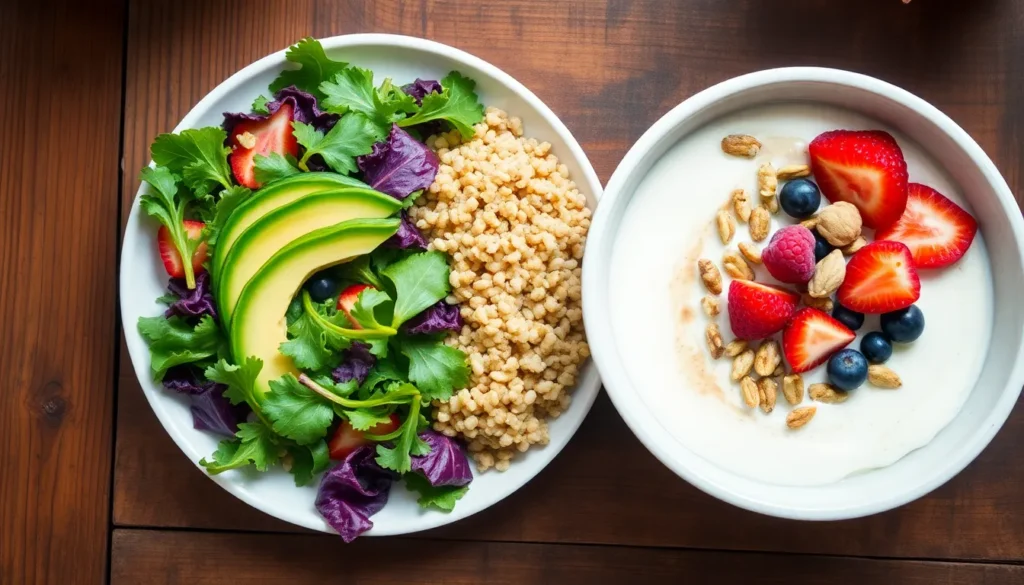
Gut health recipes promote various advantages that enhance well-being. Focusing on nourishing meals contributes to a balanced gut microbiome, which holds significant importance for overall health.
Improved Digestion
Improved digestion stems from incorporating fiber-rich foods into daily meals. Ingredients like whole grains, fruits, and vegetables promote regular bowel movements. Fermented foods, such as yogurt and kimchi, introduce probiotics that further aid digestive processes. These beneficial bacteria break down food efficiently and help prevent issues like bloating and constipation. Additionally, gut health recipes often feature spices such as ginger and turmeric that support digestion and reduce inflammation. Eating a variety of these foods can result in noticeable improvements within the digestive system.
Enhanced Nutrient Absorption
Enhanced nutrient absorption is achieved through mindful recipe selection. Gut health recipes that include prebiotic and probiotic foods help strengthen the digestive tract. When the gut microbiome is balanced, it becomes more effective at breaking down nutrients. Nutrients like vitamins A, D, E, and K require healthy fats for optimal absorption, while fiber supports the gut’s ability to absorb these essential components. Incorporating foods like avocados, nuts, and seeds into recipes boosts nutrient intake. Overall, enjoying meals rich in these ingredients leads to better health outcomes by maximizing nutrient absorption.
Key Ingredients in Gut Health Recipes
Key ingredients play a crucial role in developing recipes that support gut health. Prioritizing these elements enhances digestive function and overall wellness.
Prebiotics and Probiotics
Prebiotics serve as food for beneficial gut bacteria. Sources include garlic, onions, and bananas, which help promote gut diversity. Probiotics, found in yogurt and kefir, introduce live beneficial bacteria into the digestive system. Both components work synergistically, boosting gut health and improving digestion. They assist in nutrient absorption, reinforcing the immune system and enhancing mood. Selecting meals rich in these ingredients fosters a balanced gut microbiome, crucial for maintaining overall health.
Fermented Foods
Fermented foods contribute significantly to gut health. Items like sauerkraut, kimchi, and kombucha are rich in live probiotics. These foods aid in digestion and help regulate gut flora. Incorporating fermented foods into daily meals introduces beneficial enzymes that break down nutrients more effectively. The presence of lactic acid in many fermented options also enhances the absorption of essential vitamins and minerals. Choosing to include these foods not only provides flavor but also strengthens the gut’s resilience, further supporting overall well-being.
Easy Gut Health Recipes
Delicious recipes can enhance gut health and promote overall well-being. Here are some easy and flavorful options.
Breakfast Ideas
Overnight oats made with rolled oats, chia seeds, and almond milk provide ample fiber and nutrients. Fruit toppings like berries and bananas add sweetness and probiotics from yogurt can boost gut health. Smoothies blending spinach, avocado, and banana deliver healthy fats and fiber for optimal digestion. Quinoa bowls topped with nuts and seeds offer a protein-rich breakfast that supports gut microbiome balance. Incorporating these ingredients into breakfast ensures a great start to the day.
Lunch and Dinner Options
Quinoa salad mixed with colorful vegetables, beans, and a drizzle of olive oil makes a satisfying meal. Incorporating garlic and onions enhances fiber content while promoting gut-friendly bacteria. Grilled chicken with turmeric and ginger serves as a flavorful option that may reduce inflammation. A vegetable stir-fry including cabbage, carrots, and bell peppers provides prebiotics essential for digestive health. Soup made with lentils or beans can offer fiber and protein, keeping dinner wholesome and beneficial.
Snacks and Smoothies
Hummus with carrot sticks or cucumber slices stands out as a nutritious snack loaded with fiber. Almonds and walnuts serve as portable options that provide healthy fats and protein. Yogurt with added honey and granola can satisfy cravings while introducing beneficial bacteria. Green smoothies made with kale, pineapple, and flaxseeds not only provide nutrients but also support digestive health. Each of these snacks and smoothies contributes to maintaining a balanced gut microbiome.
Tips for Incorporating Gut Health Recipes into Your Diet
Incorporating gut health recipes into a daily diet prioritizes enjoyment and health simultaneously. Experiment with different ingredients, blending varieties of fruits, vegetables, and legumes. Choose fiber-rich foods to aid digestion, including beans and whole grains, which support gut microbiome balance.
Plan meals ahead of time to ensure a steady supply of gut-friendly options. Focus on simple recipes that allow for creativity, like adding spices such as turmeric and ginger for extra flavor and health benefits. Mix in fermented foods, such as yogurt and kimchi, to introduce beneficial bacteria.
Include snacks that align with gut health goals. Hummus paired with raw vegetables or yogurt topped with fruit provides essential nutrients while being easy to prepare. Strive for diversity in the diet by rotating different recipes and ingredients weekly to support a diverse microbiome.
Listen to the body’s responses to various foods to identify what works best. When trying new recipes, pay attention to energy levels and digestive comfort. Monitor how specific ingredients affect well-being, adjusting the diet accordingly for optimal gut health.
Invite family and friends to join in the cooking process, turning meal preparation into an enjoyable activity. Sharing recipes that are both tasty and beneficial promotes adherence to a gut-friendly diet. Prioritize gradual changes, making them sustainable and impactful over time.


