
Pectin, a natural substance found in fruits, has gained popularity as a thickening agent in jams and jellies. While many enjoy its culinary benefits, questions arise about its impact on health. Is pectin good for you or could it potentially cause harm?
Understanding the effects of pectin is crucial for those looking to maintain a balanced diet. Some claim it aids digestion and lowers cholesterol, while others worry about its possible side effects. In this article, we’ll explore the facts surrounding pectin, shedding light on its benefits and drawbacks to help readers make informed choices about their consumption.
Understanding Pectin
Pectin serves as a natural thickening agent. Derived primarily from fruits, it’s commonly used in culinary practices, especially in the preparation of jams and jellies.
What Is Pectin?
Pectin is a soluble fiber found in plant cell walls, primarily in fruits. It acts as a gelling agent and contributes to the texture and consistency of products like jams, jellies, and certain candies. When combined with sugar and acid, pectin forms a gel-like substance, enhancing both stability and flavor. In the human digestive system, pectin transforms into a gel, which aids in digestive health by promoting bowel regularity and supporting beneficial gut bacteria.
Sources of Pectin
Pectin is abundant in several fruits and vegetables. Common sources include:
- Apples: High in pectin, particularly in the skin and core.
- Citrus Fruits: Oranges, lemons, and grapefruits contain pectin primarily in their peels.
- Berries: Strawberries and blackberries provide moderate levels of pectin.
- Stone Fruits: Peaches and plums contain pectin, though in varying amounts.
- Carrots: Often overlooked, they also contribute small quantities of pectin.
Understanding these sources helps individuals incorporate pectin into their diets through natural food sources or supplements.
Health Benefits of Pectin
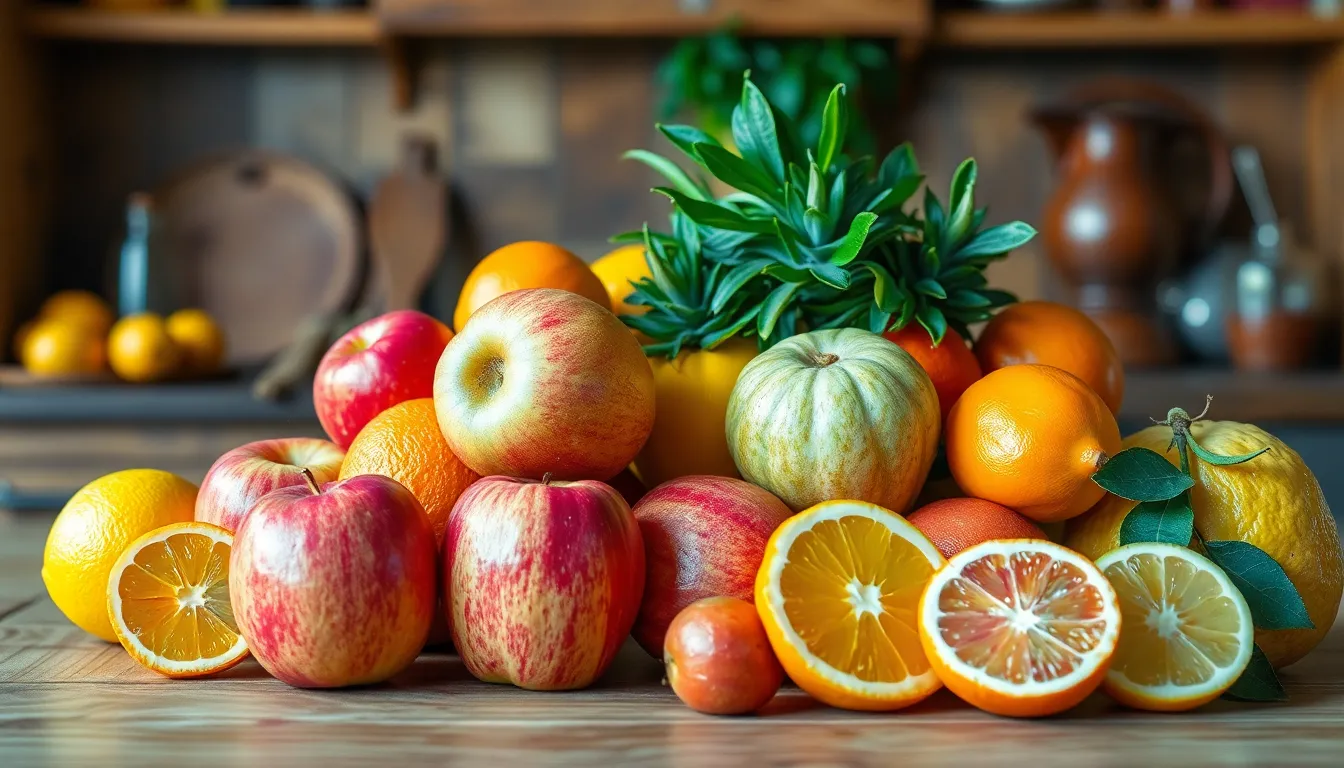
Pectin offers various health benefits, contributing positively to digestive health and cholesterol management. Its presence in many fruits makes it an accessible addition to a balanced diet.
Digestive Health
Pectin acts as a soluble fiber, promoting digestive health by enhancing gut function. It aids in regulating bowel movements and reducing constipation. Pectin’s gel-like consistency absorbs water, which softens stools and facilitates their passage through the digestive tract. Studies show that increased dietary fiber, including pectin, can lead to improved overall gut health.
Cholesterol Management
Pectin contributes to cholesterol management by binding to bile acids in the intestine. This binding reduces the absorption of cholesterol into the bloodstream. Research indicates that regular consumption of pectin can lower LDL (bad cholesterol) levels, providing heart health benefits. Incorporating pectin-rich foods, like apples and citrus fruits, supports cardiovascular health without adverse effects.
Potential Downsides of Pectin
Pectin’s consumption may lead to certain health concerns. It’s crucial to consider potential negative effects alongside its benefits.
Allergic Reactions
Allergic reactions to pectin, though rare, can occur. Symptoms may include hives, itching, or difficulty breathing. Individuals with a history of allergies to specific fruits, particularly citrus, have a higher risk of reacting to pectin. Consulting a healthcare professional is advisable for those with known sensitivities.
Gastrointestinal Issues
Gastrointestinal problems can arise from excessive pectin intake. Common issues include bloating, gas, and diarrhea. Pectin’s soluble fiber content may lead to digestive discomfort, particularly when introduced suddenly into the diet. Gradual incorporation into meals allows the digestive system to adjust, reducing the likelihood of adverse effects.
Assessing the Safety of Pectin
Pectin holds a generally safe profile for most individuals. However, understanding its recommended intake and knowing who might need to avoid it is essential for informed dietary choices.
Recommended Intake
The FDA recognizes pectin as safe when consumed in typical dietary amounts. Typical daily intake ranges from 1 to 15 grams. Most individuals can benefit from consuming natural sources of pectin through fruits like apples, citrus, and berries. Gradually increasing pectin intake aids the digestive system in adjusting, reducing potential gastrointestinal issues. Individuals consuming pectin for medicinal purposes should consult healthcare professionals for personalized recommendations.
Who Should Avoid It?
People with fruit allergies, particularly to citrus fruits, should exercise caution and potentially avoid pectin. Allergic reactions may present as hives, itching, or breathing difficulties. Additionally, individuals experiencing gastrointestinal disorders, such as irritable bowel syndrome (IBS), may find that excessive pectin exacerbates symptoms like bloating, gas, and diarrhea. Consulting a healthcare professional before incorporating large amounts of pectin is wise for anyone with pre-existing health conditions or concerns.
Pectin is a versatile ingredient that offers various health benefits when consumed in moderation. Its ability to aid digestion and support cholesterol management makes it a valuable addition to a balanced diet. However it’s essential to be mindful of individual sensitivities and potential side effects. Those with fruit allergies or gastrointestinal disorders should approach pectin with caution and consult a healthcare professional if necessary. By understanding both the advantages and risks of pectin, individuals can make informed choices that align with their health goals. Incorporating pectin-rich foods can enhance overall well-being while ensuring a delicious culinary experience.


